Do You Actually Need a Chatbot, or a Better FAQ Page?
A chatbot promises an answer to any question, instantly. Most small-business chatbots answer almost nothing correctly, and nobody notices until a customer has already walked away.
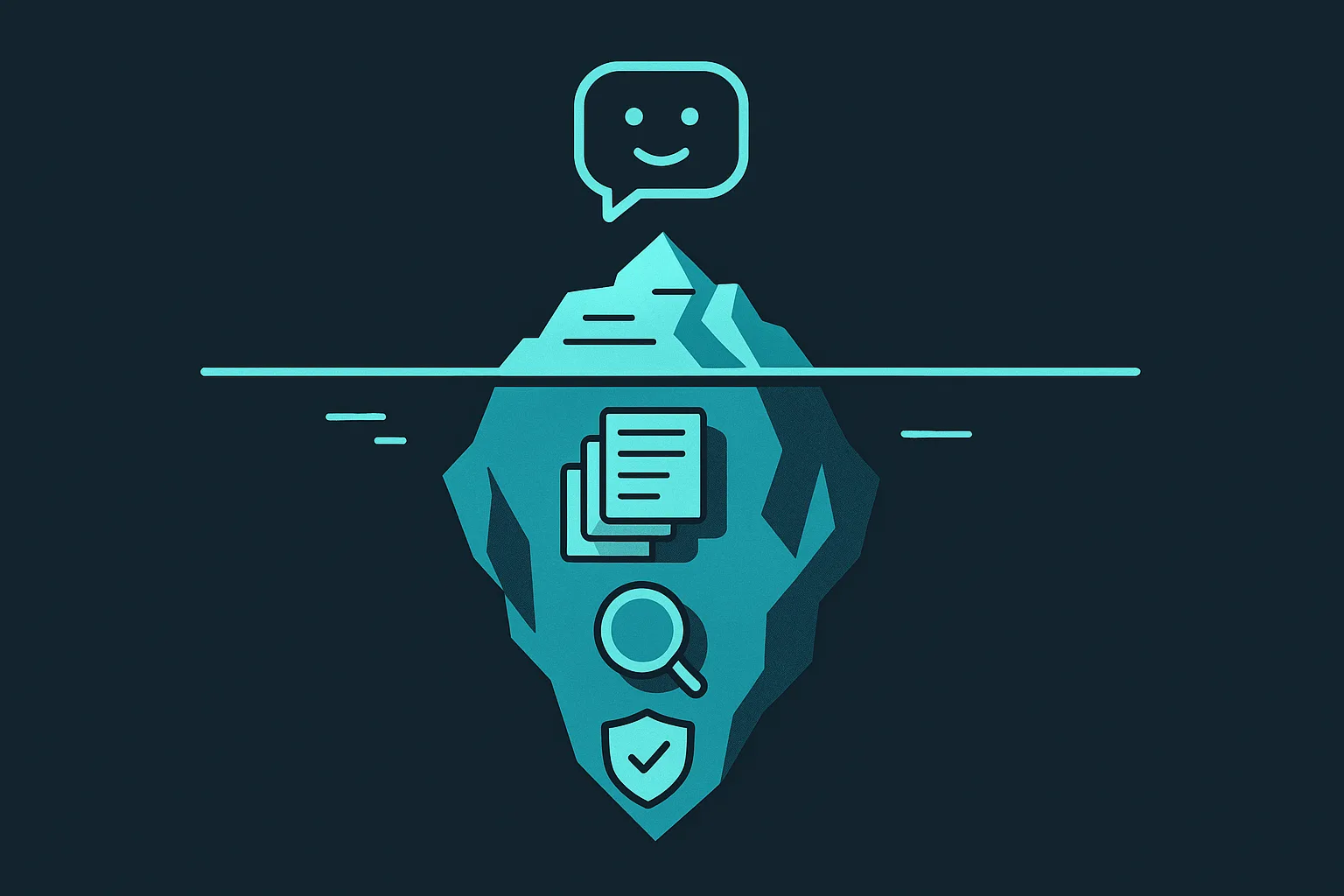
Vendor pitches all say the same thing: instant answers, 24/7, fewer tickets. What they skip is what a chatbot needs underneath to be trustworthy — the groundwork covered in RAG Explained: How to Build AI Assistants That Don't Hallucinate. Skip it and you haven't built a chatbot. You've built a guessing machine with a friendly avatar.
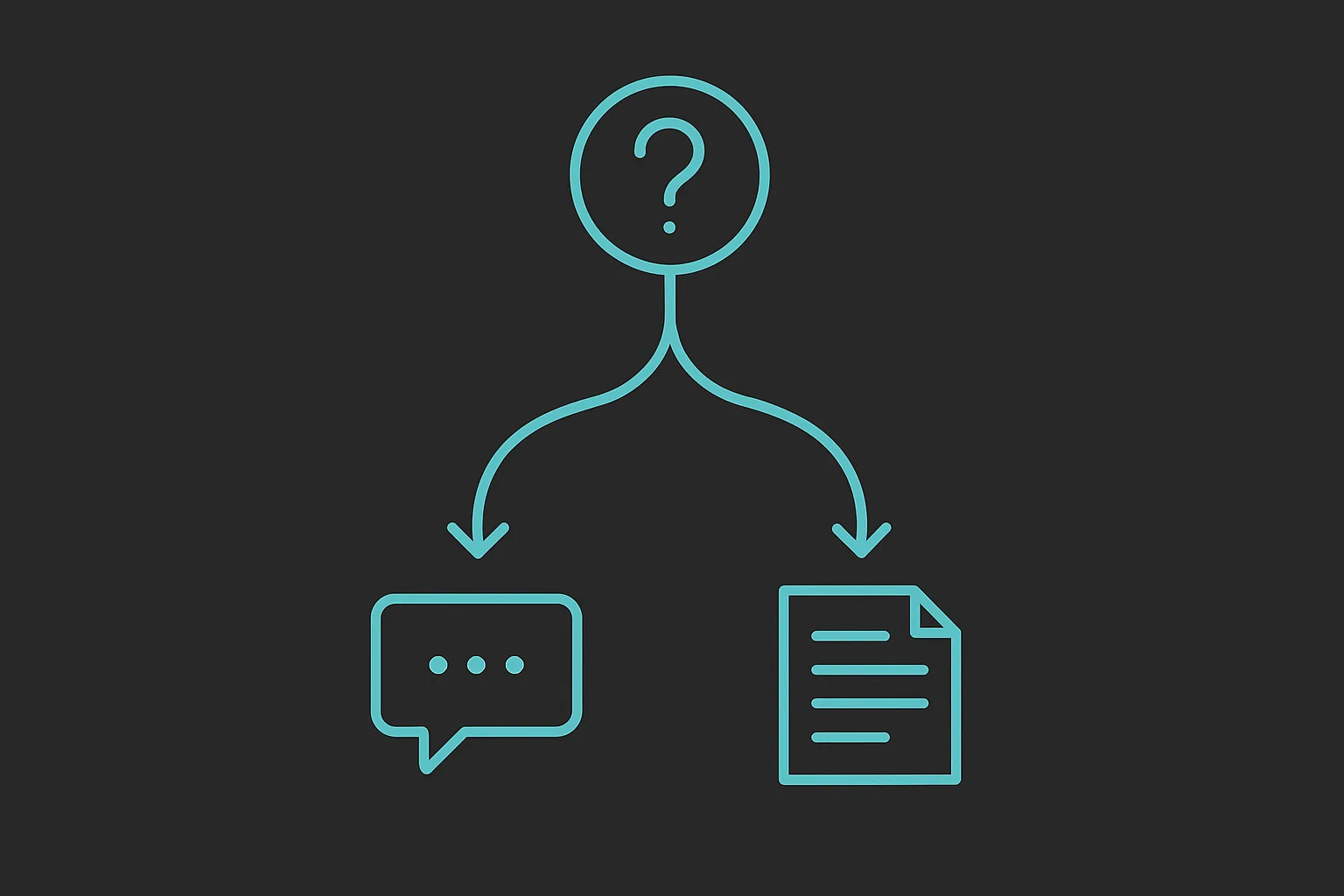
Why "Should We Add a Chatbot" Is the Wrong First Question
- The right question is narrower: what are customers actually asking, how often, and how predictable are the answers?
- A chatbot is a delivery mechanism, not a fix for an unclear product — AI works best automating a process you understand, not as a shortcut past figuring it out first.
- Most vendor pitches skip this, because for a lot of businesses the honest answer is "not yet."
What Actually Makes a Chatbot Answer Correctly
A genuinely useful chatbot isn't a chat window bolted onto a general-purpose model. It's a small system:
- A knowledge base worth trusting — real help docs, policies, and product details, kept current.
- Retrieval grounded in that knowledge base, not the model's general training data.
- A confidence check that knows when it doesn't know, instead of guessing fluently.
- A clean handoff to a human at low confidence — see how a support AI should escalate instead of bluff.
A chatbot without a confidence check isn't answering your question. It's generating the most plausible-sounding sentence it can, and hoping.
When a Better FAQ Page Beats a Chatbot, Full Stop
- Your question set is small and stable. If most of what customers ask fits one well-organized page, a chatbot solves a problem you don't have.
- The answers rarely change. Static answers don't need a model in the loop — just to be easy to find.
- Nobody's going to maintain it. An unmaintained chatbot drifts out of date silently; an unmaintained FAQ page is at least visibly stale.
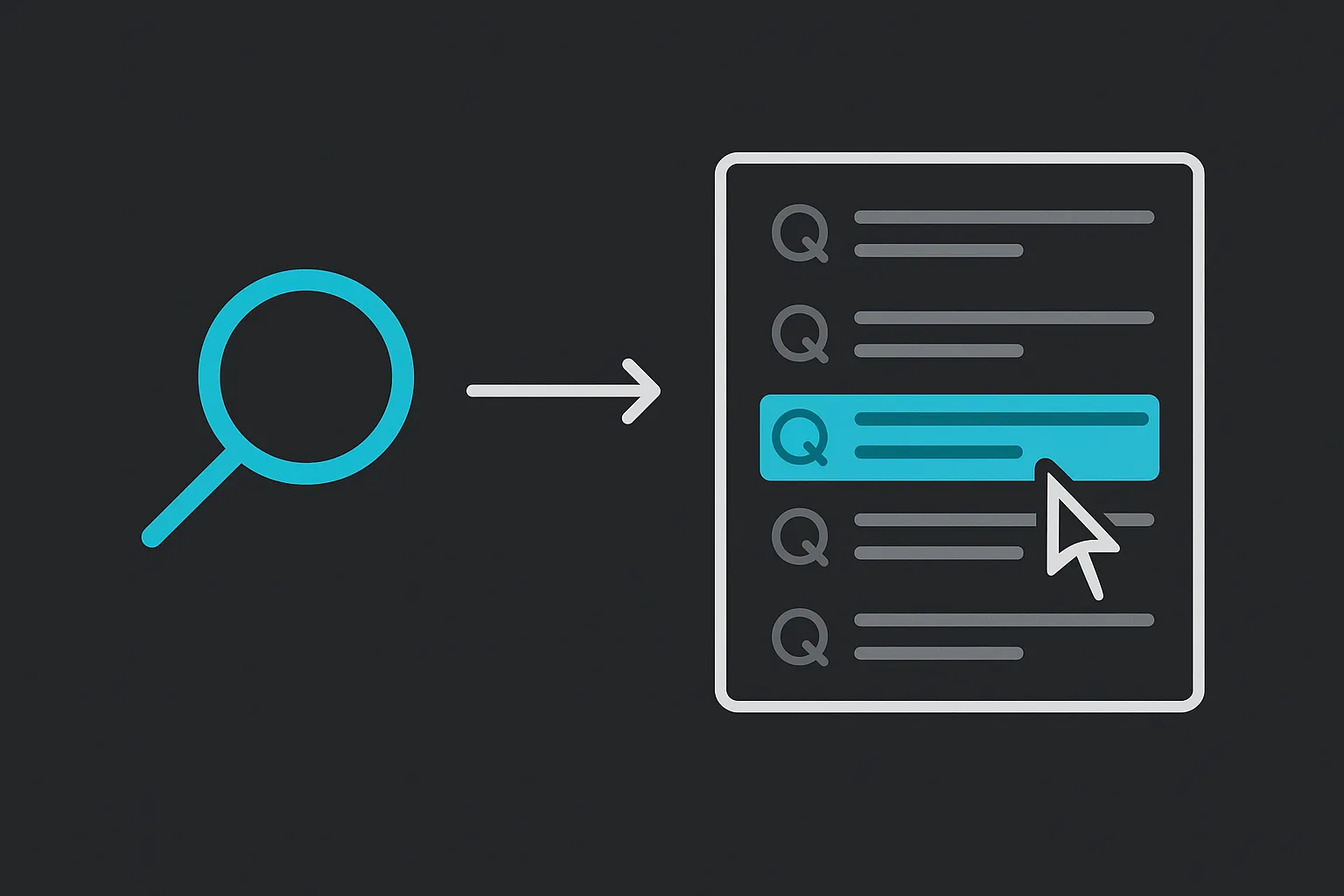
- People typing "refund policy" want the answer in one click, not a conversation.
When a Chatbot Is Genuinely the Right Call
- Question volume is high and varied enough that no single page covers it well.
- Questions depend on context — order status, account details — that a static page can't answer.
- The source material already exists: real docs and policies, not tribal knowledge in someone's head.
- Someone owns keeping it accurate, the same way someone has to own the call when priorities conflict.
The Cost Nobody Puts In the Sales Deck
- Setup isn't the real cost. Most platforms go live in a day — the real cost is the knowledge-base work behind it, the same hidden decision-work that quietly drives what an MVP actually costs.
- A wrong answer costs more than a slow one. A customer waiting for a human is annoyed; one told confidently wrong information is a chargeback or a bad review.
- Nobody budgets for maintenance. It answers well on launch day and drifts a little more every month nobody updates it.
What Happens When You Skip the Groundwork Anyway
A chatbot without retrieval, confidence checks, or escalation isn't a smaller version of a good chatbot — it's a different, riskier product. The OWASP Top 10 for LLM Applications and the NIST AI Risk Management Framework both treat unchecked, overconfident output as a named risk, not an edge case — it's the default behavior of an ungrounded model. A small team just needs the practical version of that thinking.
- It answers policy questions it was never given accurate policy for.
- It sounds exactly as confident when it's wrong as when it's right — nobody notices until the complaint arrives.
- It becomes the thing you apologize for, instead of the thing that was supposed to save you time.
A 30-Day Way to Find Out Which One You Actually Need
Week 1 — Pull 90 days of support questions. Sort by frequency and by how much each depends on customer-specific context.
Week 2 — Draft the FAQ page as if the chatbot doesn't exist. If it comfortably covers most of what you found, you have your answer.
Week 3 — For whatever's left, check whether the source material — docs, policies, order data — is structured enough to retrieve from.
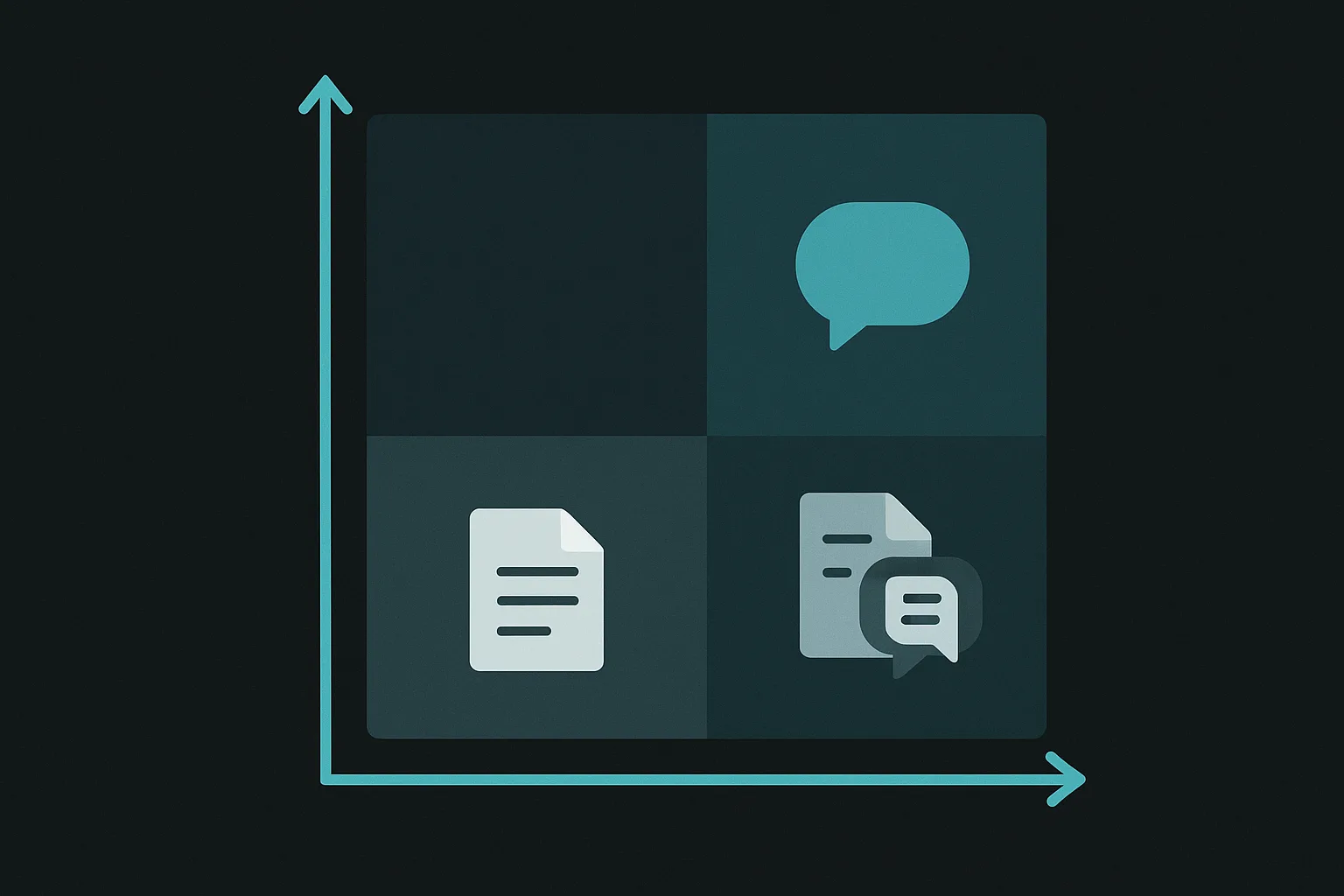
Week 4 — Decide with real inputs in hand: FAQ page, chatbot, or a hybrid where the FAQ covers the predictable majority and a scoped chatbot handles the rest.
What to Measure Instead of "Are People Clicking It?"
- What share of questions get answered correctly, not just answered.
- How often the system says "I don't know" versus guesses — it should say it often at first.
- Whether ticket volume for covered topics actually drops, or just moves from email to chat.
If You Want ZPro to Build This With You
At Zdravevski Professionals, we treat "should we build a chatbot" as a real question, not a foregone conclusion. Through an AI Systems Audit and AI & Automation Solutions, we can:
- run the 90-day question audit and tell you honestly whether you need a chatbot at all
- build the FAQ page first if that's what the data supports
- build the retrieval, confidence-check, and escalation layer properly if a chatbot is the right call